
Equine Law Blog
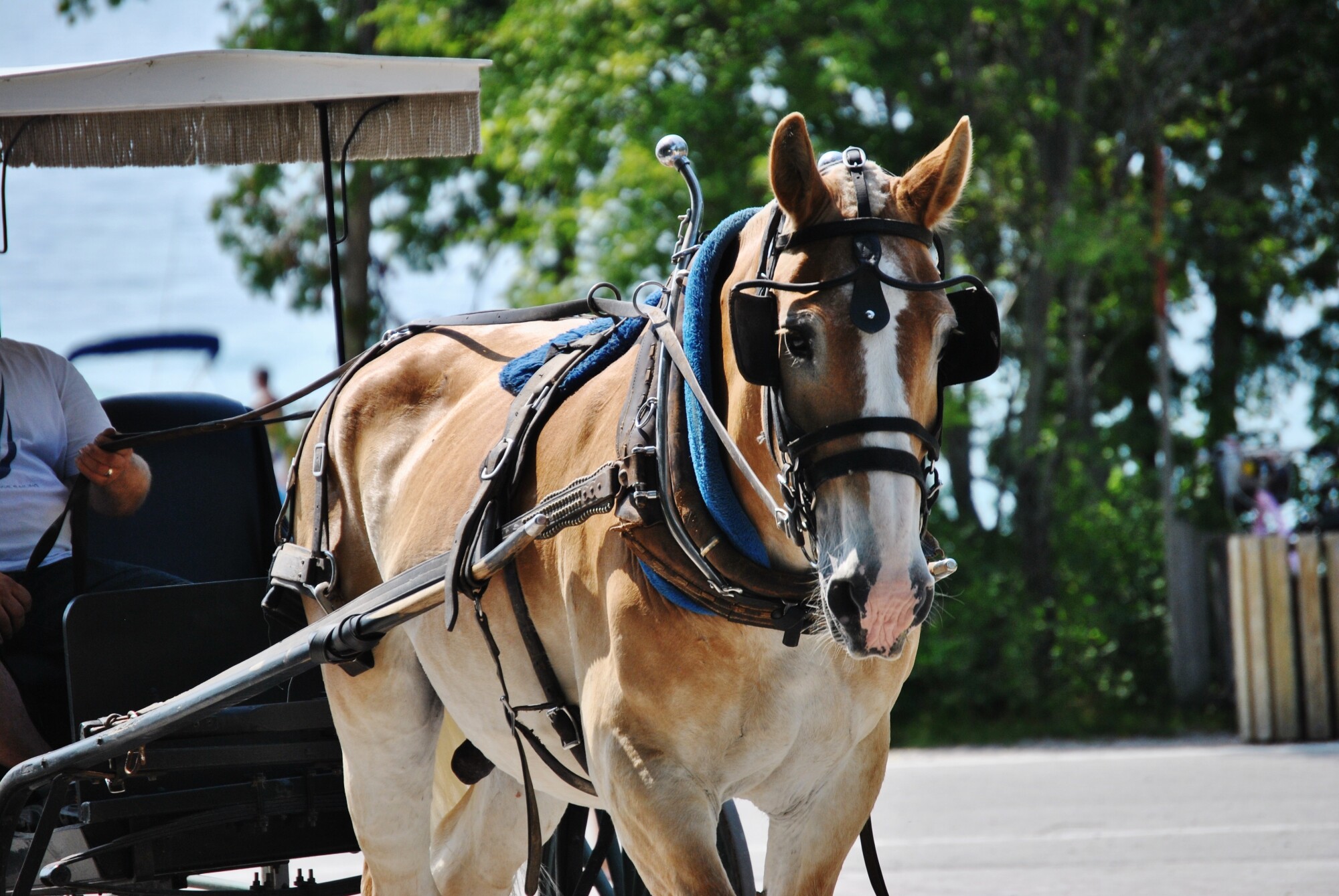 A recurring issue since the passage of the nation’s 48 state Equine Activity Liability Acts (EALAs) has been whether these laws apply to horse-drawn carriage activities. Although EALAs differ across the country, most of them state that a “participant” in an “equine activity” has limited or no recourse against equine professionals, equine activity sponsors, or others if damage results from an “inherent risk” of equine activity. But does a passenger in a carriage or sleigh qualify as a “participant”? Yes, according to courts in the majority of states that have addressed the issue. Based on an opinion from the Michigan Court of Appeals on October 17, 2025, Michigan has joined that majority.
The Case
The recent Michigan case involved a horse-drawn carriage ride at Greenfield Village in Dearborn, Michigan, which is a 40-acre historical facility and museum that occasionally offers horse-drawn carriage rides. During the ride, a bridle on one of the horses came off, removing the blinders, and causing the horse to spook and run off. At the time, the plaintiff was a passenger in the carriage and sustained injuries. A lawsuit followed. In defense of the case, the defendants filed a motion asking the trial court to dismiss it based on Michigan’s EALA. Opposing the motion, the plaintiff argued that the EALA did not apply to carriage passengers as they are not “engaged in an equine activity.”
How the Trial and Appellate Courts Ruled
Disagreeing with the plaintiff, the trial court dismissed the case based on the EALA. An appeal followed. The Michigan Court of Appeals agreed with the trial court. Looking into the plain language of Michigan’s EALA as well as its legislative history, the Court found that passengers in horse-drawn carriage activities are “engaged in an equine activity” and are therefore subject to Michigan’s EALA. The Court also considered the Michigan EALA’s legislative intent. Dismissal of the case was affirmed.
The Disputed Issue
Plaintiffs have argued that the EALAs should not apply to carriage passengers as they do not control the horse and do not ride the horse. Defendants take a different approach and focus on the fact that carriage activities are powered by horses and, therefore, anyone in the carriage accepts the “inherent risks of equine activity,” including a risk of a horse behaving in ways that may result in injury, death or damage or the potential that a horse could react unpredictably to sights, sounds, and sudden movements.
The case: Goch v. The Edison Inst., Michigan Court of Appeals No. 371176. Ruling issued 10/17/2025. (Foster Swift did not litigate this case.)
 Shareholder
Julie Fershtman is considered to be one of the nation's leading attorneys in the field of equine law. She has successfully tried equine cases before juries in four states. A frequent author and speaker on legal issues, she has written ...
