
Equine Law Blog
A recurring issue since the passage of the nation’s 48 state Equine Activity Liability Acts (EALAs) has been whether these laws apply to horse-drawn carriage activities. Although EALAs differ across the country, most of them state that a “participant” in an “equine activity” has limited or no recourse against equine professionals, equine activity sponsors, or others if damage results from an “inherent risk” of equine activity. But does a passenger in a carriage or sleigh qualify as a “participant”? Yes, according to courts in the majority of states that have ...
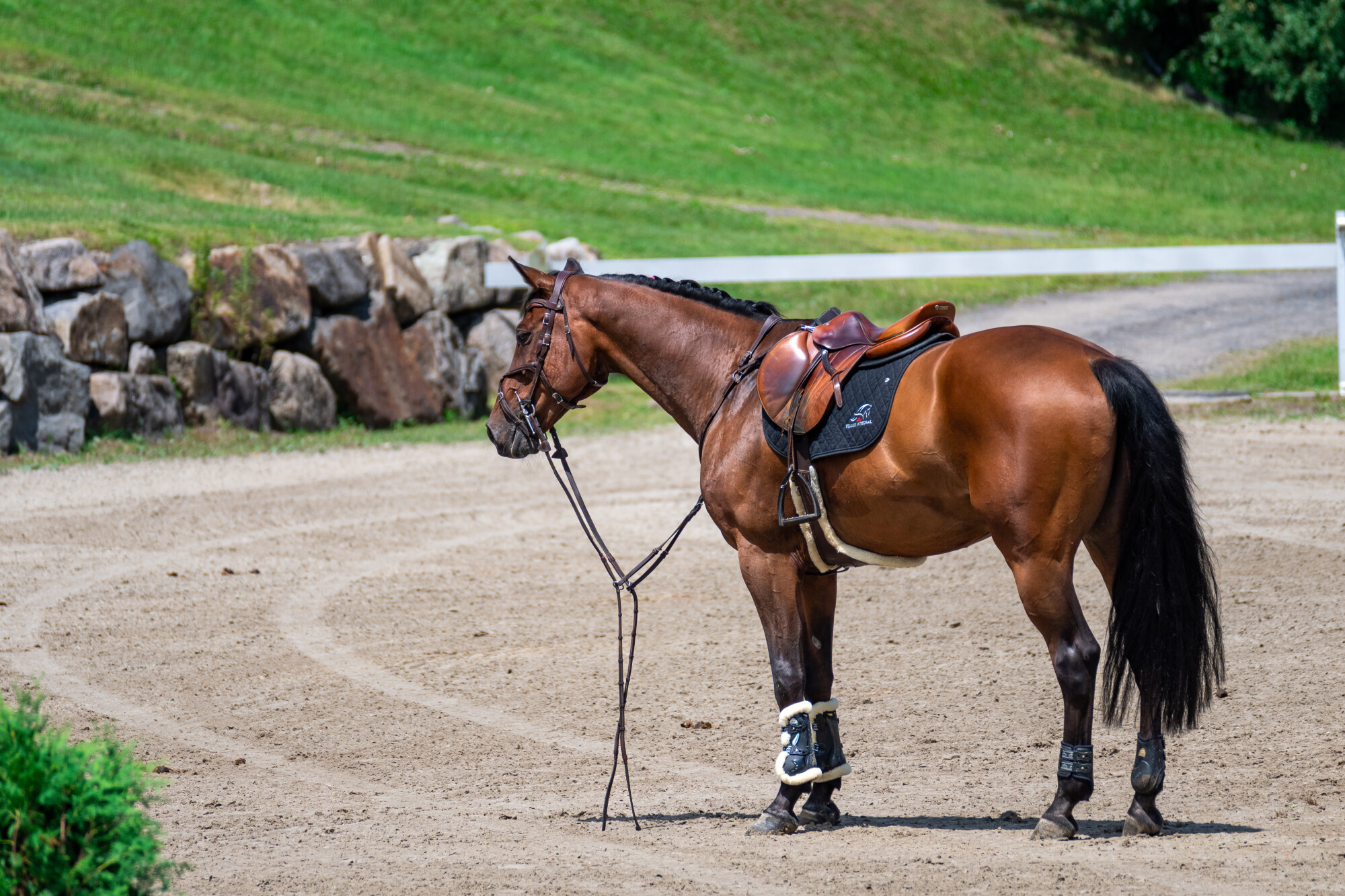 The United States Hunter-Jumper Association (“USHJA”) has asked Foster Swift shareholder, Julie Fershtman, to present a webinar on equine-related liability issues. Her first presentation is titled: “Understanding Equine Liability and How to Avoid Disputes with Insurers.”
 June 28th is National Insurance Awareness Day. Certainly, people in the equine industry may be aware that they have liability insurance, but they sometimes forget to assess whether they have the right insurance. National Insurance Awareness Day offers an annual reminder to review, understand, and update your insurance policies.
 Courts nationwide have grappled with the meaning of equine activity liability laws – especially their exceptions. Exceptions in the laws are important as they could potentially allow certain lawsuits to proceed. Although all of the equine activity liability acts (referred to as “EALAs”) differ, many share common characteristics. Several include an exception for a “dangerous latent condition of the land.” This article explores how the exception has been faring in the courts.
 Your club or association wants to organize a horse show or clinic. These events, your group believes, will boost publicity, increase membership, and generate extra money. Usually the event is a success, leaving happy memories and satisfied participants. But sometimes, things can go wrong, such as:
 What happens when people give veterinary or legal advice online – but they’re not even veterinarians or lawyers? In the horse industry, this is a surprisingly common occurrence.
Learn more by reading a new Horse Illustrated article on the subject, quoting our own Julie Fershtman: horseillustrated.com/veterinary-advice-online.
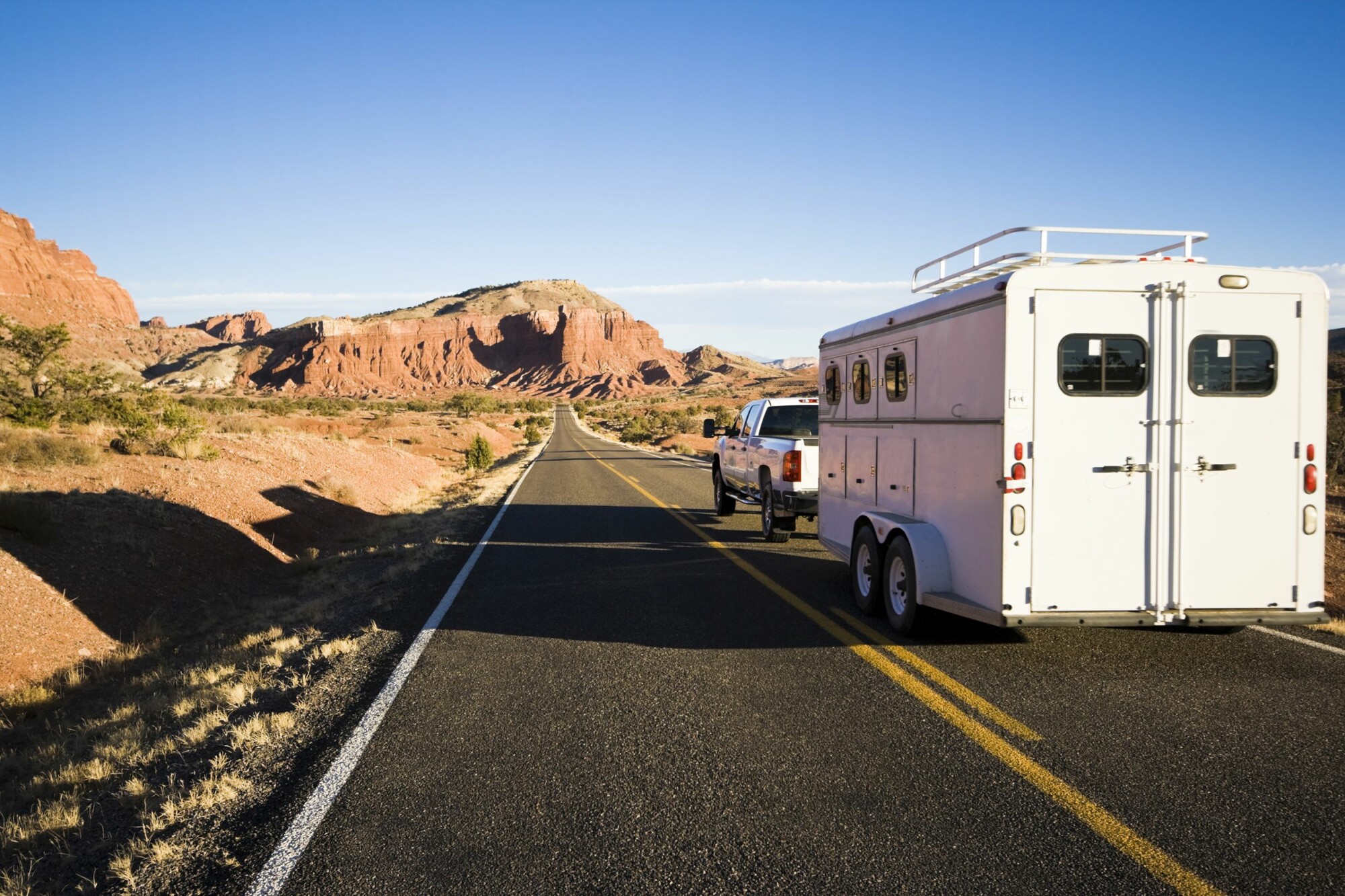 When Sam was about to leave for a weekend horse show, he discovered that his horse trailer had a broken tail light. Realizing that the problem could not be repaired in time, he asked his neighbor, Jo, to borrow her trailer. She agreed. Within minutes, Sam hitched his truck to Jo’s trailer, unaware that her trailer’s tongue ball socket and his truck’s hitch ball were not compatible – Jo‘s trailer required a hitch with a wider ball. Later, while Bill drove down the highway, the trailer broke away from his truck, injuring his horses, breaking a fence, injuring motorists, and destroying Ann’s trailer.
Lending your trailer may seem to be a simple and friendly accommodation, but accidents can occur and the risk of liability is always present. Insurance issues add to the complexity. Never assume that everyone’s insurance policies protect them against the worst case scenario.
 48 states across the country have some form of an Equine Activity Liability Act (as of May 2021). Are people in the two states without such a law – California and Maryland – worse off? If two recent California cases are any indication, courts have shown a willingness to dismiss lawsuits involving people who died in horse-related activities, even without an equine activity liability act.
 This year, I was invited to speak at the American Youth Horse Council’s Virtual Symposium on the topic of “Unique Equine Liability Risks Involving Minors - What They Are and How to Protect Yourself.” This article summarizes my remarks.
Children and horses have a strong bond. Many of us developed our passion for horses when we were young children. Those who provide horse-related activities for children, such as riding instructors and camps, face unique risks because the law looks at children differently than adults.
 Foster Swift shareholder Julie I. Fershtman’s latest book, Equine Law and Horse Sense, has just been published by the American Bar Association (ABA).
Currently, all states except for California and Maryland have some form of an equine activity liability act (“EALA”). Since the first EALA was enacted 30 years ago, courts have evaluated numerous cases involving these laws. In two recent cases, lawsuits that had been brought by people injured in horse-related activities were dismissed.
Broken pasture fences, broken gates, stall dividers kicked through, wash rack hoses and nozzles broken, stall walls bitten through, stall doors broken off of their hinges.
For many boarding stables, breaks and damages to the property like these are to be expected. The question is, who should pay for them? How should a boarding contract address this issue?
Planning ahead for a successful 2018? You might define “success” as great progress in your showing, breeding, training, racing, and riding. The fact is, however, that people in the horse industry still rely on handshake deals and incomplete contracts when they buy, sell, lease, board, train, haul, breed, and give instruction to others.
Horse owners are often dog owners. While horse owners may concern themselves with liabilities associated with horse ownership, they may lose sight of liabilities associated with their dogs. Dog bites can cause serious injuries, and litigation can follow.
Nationwide, 47 states now have some form of an equine activity liability act (“EALA”). All of these laws differ, but most share common characteristics. EALAs often provide that “equine activity sponsors,” “equine professionals,” or “another person” are not liable if the “participant” sustained injury, death, or damage as a result of an “inherent risk of equine activity.” Georgia’s EALA, for example, defines “inherent risk” this way:
The words “half lease” seem unique to the horse industry. In law school, this lawyer never heard the phrase mentioned, and the authoritative legal dictionary, Black’s Law Dictionary, nowhere mentions it. Yet, people in the horse industry, with greater frequency, are entering into arrangements they call “half leases” through which one or more persons (the “lessees”) pay a horse owner (the “lessor”) for shared use of the horse. “Half lease” arrangements might seem budget-friendly, but without careful planning, they could be quite the opposite as disputes could follow.
A backyard horse owner named Jane boards a few horses during the winter. Jane’s facility has box stalls and an indoor arena, making it desirable during the snowy winter months where Jane lives. Jane doesn’t view her activities as a business. She views herself as earning some extra money and helping friends.
What could go wrong? Plenty.
Individuals and businesses in the horse industry rely on waivers/releases as part of their risk management programs. We’ve written for years that most states nationwide have shown a willingness to enforce these documents – if they are properly worded and signed. Colorado is among those states.
Injured Child Visiting Stable with Family Was Still a “Participant” Under Equine Activity Liability Law
As of January 30, 2017, 47 states – all but California, Maryland, and New York – have passed some form of an Equine Activity Liability Act (“EALA”). These laws sometimes share common characteristics, but all of them differ. Most follow a pattern that prevents an “equine activity sponsor,” “equine professional,” or possibly others from being sued if a “participant” who “engages in an equine activity” suffers injury, death or damage from an “inherent risk.”
Driving along a highway at night, motorists don’t expect to see herds of cattle or horses. In designated “open range” districts, however, these animals could potentially cross the road in the day or night. So what happens when motorists collide with horses or livestock in open range districts?
Open Range Laws
Nationwide, most states are NOT open range states, and horse owners are required to reasonably secure them in barns and pastures to keep them off of roadways. A few states, that include (but are not limited to) Nevada, Montana, Texas, and Idaho, allow livestock owners to allow them to roam unfenced, with some restrictions. For example, Nevada Revised Statutes Sec. 568.355 defines “open range” as “all unenclosed land outside of cities and towns upon which cattle, sheep or other domestic animals by custom, license, lease or permit are grazed or permitted to roam.” This state’s law, Nevada Revised Statutes Sec. 568.360, addresses liabilities of animal owners:
Courts in most states have shown a willingness to enforce liability waivers/releases – as long as the court was convinced that the documents were properly worded and signed. In the 47 states with Equine Activity Liability Acts (all states except for California, Maryland, and New York), can a pre-incident waiver/release, signed by the claimant, waive a claim based on the statute?
Over the years, courts in several states have explored this question. Most courts have answered “YES.”
Last year, a new law took effect in Montana that allows waivers/releases to be enforceable, except against claims of gross negligence or against defective equipment claims. The new law, Montana Code Anno. § 27-1-753, states:
Dan hired a trainer, Sarah, to train his horse and haul it to a few shows during the year. While under Sarah’s care, however, Dan’s horse colicked, and a veterinarian had to put the horse down. Should Sarah, the trainer, be responsible for paying for the loss of Dan’s horse and his vet bills?
What the Law Expects of a Trainer’s Services
When a person, such as Dan, leaves a horse with a trainer for care, keeping, and training, the law generally requires the trainer to use “reasonable care” in carrying out these tasks. This means that the trainer must use the degree of care that a prudent and careful trainer would use in similar circumstances.
Clients like Dan who bring claims against their trainers for injuries to or losses of their horses must prove that the trainer somehow fell short of this standard, that the trainer's failings were the legal cause of the horse’s demise, and that the trainer should be legally accountable for damages that resulted.
Your club or association wants to organize a horse show. Or, your club wants to hold a clinic and invite a nationally known trainer to offer tips on training, showing, or horsemanship skills to members and guests, many who bring horses to the event. These events, your group believes, will boost publicity, increase membership, and generate extra money.
Things can go wrong, however. Is your club prepared for these:
When an equine activity liability statute is amended, are the amendments retroactive to the date when the law was initially passed? Or, do the amendments take effect going forward?
If an equine-related accident occurs before an equine activity liability act becomes the law, can the court apply the (after-enacted) law?
Courts around the country have examined these issues. This article addresses two cases.
Cindy and Sam have been long-time friends and once rode together. Now, as Sam recovers from a serious illness, his barn has been empty. He once enjoyed looking out at the horses in his pasture. He approached Cindy with an offer to stable her horses on his property for free, as long as she takes care of her horses at her own expense.
People sometimes enter into arrangements like this, but what are the legalities? What can Cindy and Sam do to protect themselves?
Memorial Day weekend was a time for parades. Horses in parades have brought injuries and litigation.
Several years ago, an injured Iowa parade spectator filed a lawsuit after being struck by a pony in the parade. The parade spectator wanted to cross the street while the parade was in progress. Before an organized group of horses approached, she perceived a “break” in the parade and then crossed the street while carrying a lawn chair. The chair spooked one of the ponies in the parade. This pony, at the time, was being ridden by two children, ages 4 and 8, but nobody led the pony on foot. When the pony spooked, it bolted, threw the children, and knocked over the spectator.
Should your stable have rules? Stable rules list the various policies and regulations governing activities on the property. In developing and posting them, stables try to establish limits for customers and visitors, set expectations, and promote safety. Stables have every incentive to develop, post, use, and update rules.
Julie Fershtman, our Equine Law practitioner, is speaking at the 31st Annual National Conference on Equine Law in Lexington, Kentucky, on the topic of liability releases in equine activities. Today’s blog post shares some of her upcoming remarks.
Many people sell their horses on an installment basis or lease out their horses to others for a span of months or years. Frequently, these arrangements are mutually beneficial. But problems can, and do, occur – and they're sometimes very serious. Careful advance planning could either eliminate these problems or reduce their severity.
Rider rents a horse from a stable, instructor, or dude ranch. Rider falls and is hurt, allegedly due to saddle that slipped. Rider sues, alleging that the provider improperly secured the saddle on the horse.
What happens next? Who is liable? Over the years, numerous lawsuits have been brought based on equestrian injuries blamed on saddles that were allegedly defective or improperly tightened.
The nation's first Equine Activity Liability Act was enacted in 1989. Now, 47 states (all except California, Maryland, and New York) have them. All of these laws differ. With the passage of time, questions have emerged about how these laws work and what they do. Julie Fershtman, who is widely considered to be the nation's most experienced and knowledgeable lawyer regarding these laws, explained them in a webinar earlier this week for www.equestrianprofessional.com. Here are some of her remarks.
Equine Activity Liability Acts, now in 47 states, were originally enacted with the aim of providing limited liability for activities involving equines. For example, the statute in Washington State, which was the first enacted in the country, defines an “equine” as “a horse, pony, mule, donkey, or hinny.” [Rev. Code Wash. Sec. 4.24.530(1)]. Over the years, these statutes have broadened to include a variety of different animals – and some might even surprise you. A sampling of states shows the range of animals they sometimes cover. For example:
An elderly widow lives alone on the family farm. The horse barn has been empty since the children moved out. Recently, an equine professional asked to rent the horse facility to run a boarding, training, and lesson business. Should this arrangement proceed?
You have a full-time job, or you're a student. But you also have a horse in the barn. Wouldn't it be nice to make money from the horse? What if you offered riding lessons on the weekends or did some "moonlighting" as an instructor to generate extra cash? You may think your part-time business activities are a mere hobby, but the law might say quite the opposite.
Every year you write the check to your insurance agent, fully expecting that you're covered for liabilities arising from your horse-related activities. But what if a claim or lawsuit is brought against you, and, to your surprise, you discover that you’re not covered for it?
Here are some equine liability insurance coverage surprises that people have experienced over the years. With careful planning, you can make sure that they never happen to you.
The stable or instructor gives the customer a liability release to sign. Later, he sues the stable, and when the stable uses the signed release in its defense, the customer admits that he signed it. But he claims that it should not be enforced because he failed to read it before he signed it.
Is this argument valid? Nationwide, courts have considered these claims in equine-related cases, and some of the results might surprise you.
Spooking Horse Was an “Inherent Risk” and No “Willful or Wanton” Conduct Found
As of Aug. 1, 2015, 47 states – all but California, Maryland, and New York – have passed some form of an Equine Activity Liability Act ("EALA"). These laws sometimes share common characteristics, but all of them differ. Most follow a pattern that prevents an “equine activity sponsor,” “equine professional,” or possibly others from being sued if a “participant” who “engages in an equine activity” suffers injury, death or damage from an “inherent risk.” The laws typically include a list of exceptions.
Does a horse bucking in reaction to a lawn mower qualify as an “inherent risk” for which the EALA might protect a horse owner from liability?
Private, Backyard Facility Could Qualify as an “Equine Activity Sponsor” Under Equine Activity Liability Law
As of July 20, 2015, 47 states– all but California, Maryland, and New York – have passed some form of an Equine Activity Liability Act ("EALA"). These laws sometimes share common characteristics, but all of them differ. Most follow a pattern that prevents an “equine activity sponsor,” “equine professional,” or possibly others from being sued if a “participant” who “engages in an equine activity” suffers injury, death or damage from an “inherent risk.” For example, Tennessee’s EALA, T. C. A. § 44-20-103, states:
Except as provided in § 44-20-104, an equine activity sponsor, an equine professional, or any other person, which shall include a corporation or partnership, shall not be liable for an injury to or the death of a participant resulting from the inherent risks of equine activities. Except as provided in § 44-20-104, no participant or participant's representative shall make any claim against, maintain an action against, or recover from an equine activity sponsor, an equine professional, or any other person for injury, loss, damage, or death of the participant resulting from any of the inherent risks of equine activities.
The laws typically include a list of exceptions, many of which this blog has explained.
On June 23, 2015, Michigan’s Gov. Rick Snyder signed into law an amendment to Michigan’s Equine Activity Liability Act (“EALA”). The law was amended by Public Act 87 of 2015.
The Law Before Amendment
The new amendment targets a portion of Michigan’s EALA involving its exceptions –sections of the law on which people can file equine-related personal injury lawsuits. As enacted in 1994, Michigan’s EALA included four exceptions:
47 states now have an Equine Activity Liability Act. These laws, in various ways, limit or control liabilities associated with equine activities. Nevada is the latest state to pass such a law. On May 27, 2015, Nevada’s Governor approved SB 129. Here’s a link to this new law.
A California farrier (horseshoer) with 45 years of experience was hired to trim a horse’s hooves. While working in an outdoor corral, the horse knocked him down, and his head hit a rock. He died from his injuries, and his estate sued the horse owner who also owned the property. The trial court dismissed the case, and the California Court of Appeals agreed.
As this blog has reported in the past, courts nationwide have disagreed as to whether parents can legally release away personal injury claims of their minor children.
In a decision issued earlier this year, a California appellate court found that a horse trainer/riding instructor's release of liability, signed by a mother as well as her teenage daughter, was enforceable. Accordingly, the court held that a lawsuit against the trainer (who was also referred to as a "coach") arising from the teenager's death, was properly dismissed.
- You take your friend on a trail ride, but an hour into the ride the saddle slips and your friend falls off. He sues.
- Two hours into a scenic trail ride, a horse provided by a public riding stable walks up a hill, but the saddle slips and spooks the horse. The guest falls and files a lawsuit.
If any of these incidents occurred in a state with an Equine Activity Liability Act (“EALA”), could the injured rider base his or her lawsuit on the “faulty tack or equipment” exception? *
Over the years, courts have examined the issue of what qualifies as “faulty tack or equipment.” In these two cases, the courts were convinced that a loose cinch or girth does not.
In April 2015, Julie Fershtman travels across the country for two speaking engagements regarding the Equine Activity Liability Acts (“EALAs”), including the National Conference on Equine Law. A lawyer with hands-on experience involving these laws nationwide, Julie will discuss recurring issues. Forty-six states now have some form of an EALA (except for California, Maryland, Nevada and New York).
One recurring issue is whether an injured person’s claims under an EALA can be released away. The majority view is that waivers/releases can potentially bar EALA claims. Courts in these states (as of 3/2015) have issued rulings to this effect:
Imagine owning a boarding stable that had a barn fire, causing loss to some of the horses. Imagine later being sued from a disgruntled boarder whose horse perished in the fire. This happened to a Michigan stable, and the stable faced an aggressive legal challenge from the boarder. In the end, the trial court dismissed the case and the Michigan Court of Appeals affirmed the dismissal in 2014. Why did the stable win? The liability release in its boarding contract played an important part of this result.
- A boarder brings her curious and rambunctious 4 year-old son, Henry, to the stable, but he slips away when she enters the tack room, despite her command to stay put, and wanders over to a nearby stall. He opens the stall door, allowing a yearling inside to run loose. The yearling gallops into the road, collides with a car, and motorists are injured. They sue the stable.
- Before Sarah, 15 years old, takes a riding lesson, the instructor requires her parent to sign a liability release. Minutes later, Sarah falls off during the lesson and is injured. She sues the instructor.
Misunderstandings and myths abound when it comes to liabilities involving children. Make sure to separate fact from fiction.
"Try out my horse for few weeks. See if you get along with him."
These were the words of a sincere, well-intentioned seller who only wanted a satisfied buyer. Could anything possibly go wrong with this trial period arrangement? Let’s explore three possible problems and ways to avoid them.
In an effort to spend time with horses, while also raising cash, some people in the horse industry develop small businesses. We have received calls from people interested in establishing an exercise riding business where they visit people’s stables, saddle up designated horses, and work the horses on tracks, trails, arenas, or fields. In many instances, exercise riders work alone and must groom and saddle each horse. Very often, the exercise rider receives little information about the horses they’re asked to work. If you are considering an exercise riding business, here are a few suggestions:
Your liability release might not be as strong as you think. Though courts in most states have shown a willingness to enforce releases of liability (when properly worded and signed), there is never a guarantee that all courts will accept and enforce your release. Why have releases failed? Here are examples of a few documents that failed in a legal challenge because the courts believed they were improperly drafted:
Liability releases are probably the most misunderstood documents in the horse industry. Myths and misunderstandings surround them. Let’s explore common misperceptions regarding releases and the facts.
Within just four months, Julie Fershtman, a shareholder at Foster Swift, has secured two summary judgment courtroom victories in favor of her equine industry clients. The first occurred in April 2014, when she won a case for a private lesson stable that was sued for personal injuries by a visitor who was injured in a barn aisle. The latest victory occurred on July 30, 2014, when Fershtman defended a private, family-owned horse breeding farm.
A small number of states have “open range” districts where land-owners are legally permitted to allow their animals to roam at large, subject to restrictions set by state or local law.
Generally, motorists in open range districts have little or no recourse if they are injured in a collision with loose livestock, but exceptions can exist. In one case from Idaho, the landowner was immune from liability in a wrongful death action when a motorcyclist collided with a loose calf along the roadway in an “open range” district and was killed. The motorcyclist’s estate sued the landowners and the animal’s owners. They argued, in their defense, that they were immune from liability because the incident occurred in an area that was designated as “open range” under Idaho law [Idaho Code § 25-2118]. The trial court agreed and dismissed the case.
The case proceeded to an appeal where the motorcyclist’s estate challenged the “open range” classification. The Idaho Supreme Court upheld dismissal of the case and found that the “the ‘fence out’ rule prevails in Idaho, and that where a herd district has not been established, cattle are customarily permitted to roam." Nationwide, most states do not have “open range” districts. Each state differs. In any vehicle/livestock collision matter, make sure to review the applicable law carefully.
Equine Law changes afoot in Connecticut! The Connecticut legislature just curbed its Supreme Court in a law that trumps Vendrella v. Astriab (the "vicious and dangerous" case) and determines that domesticated horses are not vicious or dangerous.
- Read the bill's text here.
Julie Fershtman, a shareholder at Foster Swift, secured summary judgment in favor of her client, an equine boarding and riding stable, on April 2, 2014.
The plaintiff accompanied his granddaughter to her riding lesson at a private stable and watched her ride from the observation room. When the lesson ended, he entered the barn aisle to ask the riding instructor questions about saddles. The plaintiff claimed that while standing in the barn aisle, with his back to the aisle, an unknown person led a horse too close behind him that brushed against his back, causing him to lose his balance and fall down. He claimed that he sustained significant injuries as a result.
Since the equine activity liability acts were enacted, a question has arisen as to whether a person can legally sign away claims under them. According to the majority of courts across the country addressing the issue, the answer is "yes."
Julie Fershtman is the speaker for tomorrow's webinar through the Certified Horsemanship Association entitled: "Risk Management – What You Need to Know about Liability, Contracts and Releases."
State equine activity liability laws generally, but not always, apply to equine activity "participants" who are “engaged in an equine activity” at the time of injury. Over the years, cases have addressed whether people injured on the grounds of an equine activity qualify as “participants.” Let’s take a look at two noteworthy cases addressing the issue and find out whether you agree with the courts.
Nationwide, 46 states – all but California, Maryland, Nevada and New York – have some form of an equine activity liability act. All of these laws differ, but approximately 31 require sign posting, usually, but not always, by “equine professionals.” The sign posting requirements vary considerably among the laws. Here’s a sampling of how the laws differ.
We are often asked how long a waiver or release “lasts.” The answer depends on several factors, such as:
- Did the document specify that it was only intended to be valid for activities taking place on the day when it was signed?
- Does a state law supply a time limitation during which the document is valid?
Many in the industry have been discussing the Connecticut Supreme Court case of Vendrella v. Astriab Family Limited Partnership. Oral arguments took place recently, and we await an opinion.
We receive numerous calls and e-mails from people in the midst of serious legal issues who are unprepared for, or unwilling to undertake, the expense involved in hiring a lawyer. For example, a trainer could be faced with a lawsuit arising out of a sales agency. An individual horse owner might want to “free-lease” her gelding to a friend and want a contract that protects her as much as possible in the situation.
How can people who cannot afford a lawyer seek legal services at low, or no cost?
Well-intentioned horse owners and equine professionals sometimes expect a well-written release of liability (sometimes known as a “waiver”) to be their sole weapon in their efforts to avoid liability. Acting on the mistaken belief that those who sign releases cannot bring lawsuits, some people even consider cancelling their liability insurance policies.
Do you understand what equine-related liability insurance policies do? Many people in the horse industry learn the shortcomings of their liability insurance policies after something goes wrong.
To gain a better understanding of how these policies work, here are examples of some occurrences:
You allowed someone to ride your horse, but the worst-case scenario later came true – your friend fell off and was injured. Certainly, the immediate response is to make sure that your friend received proper medical attention and that your friend is safe. But can your words, made after the fact, form a basis for liability? Sometimes they can. In a recent case from New Jersey, in fact, they did.
A few years ago, some valuable breeding stallions contracted Contagious Equine Metritis (“CEM”), an equine venereal disease, while boarded at a breeding farm in Kentucky. The stallion owners sued the breeding farm, alleging that it was negligent in allowing the CEM to spread to their stallions from an incoming stallion, who had been brought to the farm from a Wisconsin quarantine facility where it contracted the CEM. [CEM is regulated by the United States Department of Agriculture (“USDA”), in part through its importation guidelines for horses that arrive from foreign countries and are quarantined. These guidelines also prohibit horses with CEM from being imported into the United States.]
Horse owners are, in large part, self-reliant people. They train their own horses, fix their own equipment, and some even do their own hoof trimming and routine vaccinations. When people try to take legal matters into their own hands, however, problems sometimes occur. Here are some examples taken from real cases:
Equine Activity Liability Acts, now found in 46 states, frequently include requirements that “equine activity professionals” and sometimes “equine activity sponsors” post warning signs on the premises. One example of such a sign, from the Commonwealth of Massachusetts, states:
WARNING
Under Massachusetts law, an equine professional is not liable for an injury to, or the death of, a participant in equine activities resulting from the inherent risks of equine activities, pursuant to section 2D of chapter 128 of the General Laws.
But what happens if the “warning” sign falls off or disappears? Will the “equine activity professional” lose benefits from the equine activity liability act?
“Can I borrow your horse?” We hear this question from friends, acquaintances, co-workers, and relatives. When we answer “yes,” what usually follows is a fun and pleasurable experience. Sometimes, however, the opposite holds true, someone is hurt, and a lawsuit follows.
This article briefly discusses why people sue others who lend out horses and offers some suggestions for horse owners to try to protect themselves.
You are leaving your horse with a horse trainer who comes well-recommended but has no experience working with you. Can you trust this person to give your horse humane treatment? If your horse sustains an injury during training, will the trainer keep you informed? Will your horse receive adequate turn-out?
You can leave these matters to guesswork. Or, you can insist on a training contract.
Horse trainers and their clients have every incentive to document their relationship with a contract. Horse owners could potentially bring a variety of legal challenges against the trainer, including:
Breach of contract
A lawsuit might claim that the trainer breached (broke) the terms of a contract by failing to properly train.
Not every claim against a veterinarian is really a claim of veterinary malpractice. A small number of cases involving veterinarians are more appropriately brought as a claim of ordinary negligence on part of the veterinarian or the staff.
In March 2013, I was a speaker at an Agribusiness Conference in Sacramento, California. Members of the audience raised excellent questions, one of which was: Should minor children be permitted to sign a horse facility’s contracts, such as releases, even if the child’s parent or legal guardian also signs?
Police departments and local governments often enjoy governmental immunity, which protects them from liability except in limited situations. In one interesting but tragic loose horse case, a Florida court held that governmental immunity might not protect a municipality. That case involved a loose horse on an unlit highway late at night. A police officer spotted the horse on the road and followed from his squad car, but without lights (apparently, the officer had decided that the lights might spook the horse and turned them off). This resulted in a “slow speed chase” of the horse in an apparent attempt to herd it near the highway median.
In January 2013, I was the speaker at a national teleconference on Equine Law and also spoke at continuing legal education programs on Equine Law for the Washington State Bar Association and New York State Bar Association. Attendees raised several questions, and some of them are shared on this blog.
Question:
Regarding an Equine Activity Liability Act, are there any similar or analogous statutes relating to any other animals/species?
An interesting, and tragic, case that Julie Fershtman handled several years ago involved a professional race horse driver’s death during a race at a Michigan race track. Julie represented one of the defendants, the owner/trainer of a Standardbred race horse that broke stride during the race and slowed down near the finish line. This allegedly caused a pile up of horses behind him on the track, and one of the drivers lost his life.
On January 9, 2013, the U.S. Department of Agriculture adopted the Animal Disease Traceability Program (ADTP). It takes effect 3/11/2013 and impacts the equine industry.
Equine liability litigation sometimes focuses on the equipment worn by a horse before an accident occurred. Some cases claim that the horse was equipped with defective reins, which caused someone (the plaintiff in the case) to be hurt. Here are two such cases.
What do you do if you believe that a professional, such as a horse trainer or veterinarian, engaged in abusive conduct.
Know the Risks
If you suspect that an equine industry professional is engaging in abusive practices, proceed very cautiously and always in good faith. Your accusations, if improperly made, could potentially destroy someone’s business and reputation. Your conduct could even generate a lawsuit against you in which a professional claims that you defamed him (through slander or libel) or improperly interfered with his business.
A 2001 case involved the plaintiff, a highly experienced trick rider, who was dragged from her horse and injured while engaging in trick riding activity. She sued the saddle manufacturer, Weaver Leather Goods, claiming that an off-billet on the saddle was defective. Her lawsuit claimed that the saddle maker violated a provision of the Tennessee Uniform Commercial Code by breaching an implied warranty of fitness for a particular purpose. She also sued for products liability and failure to warn.
The holiday season is here, and many stables around the country are hosting their annual year-end parties for customers and friends. But celebrations can quickly turn to tragedies. Here are some suggestions to avoid liability:
Once you have presented your liability release form to a new customer, how much time is enough time to allow him or her to read the document before signing? In some states, when the enforceability of a liability release is at issue, courts have focused on the amount of time given to the signer before executing the document.
Is “two seconds” enough?
Equine facilities nationwide have encountered the problem of busy parents who allow babysitters, non-parental relatives, or family friends to drive their children for riding lessons. Can a babysitter, relative, or family friend sign a liability release on behalf of the child?
Legally, no. Why?
A teenager, 17 years old, drives herself to your stable and expresses an interest in buying or leasing one of your horses. She is old enough to drive a car, but is she old enough to enter into a contract with you?
The answer is no. Unless she has reached the age of majority in the applicable state, she does not have the legal capacity to enter into a contract with you.
Ron Turcotte rose to fame after winning Thoroughbred racing’s Triple Crown riding the legendary “Secretariat.” He lost his own legal battle in New York after being seriously injured in a horse race, mainly because of New York’s doctrine of “assumption of risk.” Assumption of risk is a legal defense based on the theory that horse racing is an inherently dangerous sport and professional jockeys or drivers are best situated to know and appreciate the risks involved in the sport.
Are you held liable if a child trespasses onto your property and is injured?
Hazardous places, conditions, or things on the land that tend to lure unsuspecting children are commonly known as "attractive nuisances." Attractive nuisances are typically not natural conditions of the land, such as a pond, but rather are conditions that were created by the landowner or someone else on the property. Swimming pools are classic examples. Depending on the circumstances and how the state defines an “attractive nuisance,” a horse might qualify.
Liability Releases in Michigan Equine Activities: Why They Fail
State Bar of Michigan Animal Law Section Newsletter - Spring 2012
“Liability releases are not worth the paper on which they’re printed.”
Some of our clients may say this, but the reality in Michigan is that liability releases have been enforced in recreational and equine-related activities. Still, these documents sometimes fail in legal challenges. This article explores liability releases in Michigan equestrian activities and themes in release-related litigation with an emphasis on equine liability. Read more >
When a boarding stable accepts a customer’s horse for care and keeping, the law generally imposes a duty on the stable to use reasonable care. Consequently, a stable could potentially be liable for a horse’s injury even if it had no real intention of harming a horse.
If a boarder wins a case against the stable, the stable might (depending on the facts and the applicable law) be ordered to pay:
A summer camp’s Business Manager comes to work over the weekend to “test out” the camp’s newly donated horses, allegedly to determine their suitability, but he is thrown and sustains serious injuries. Is he entitled to recover workers' compensation insurance? No, says a worker’s compensation appeals panel of the Tennessee Supreme Court in Parish v. Highland Park Baptist Church, No. E2010-01977-WC-R3-WC (Tenn. 10/18/11)(unpublished).
Why?
Are you considering allowing a boarding stable to use your horse in its riding lesson program? Take caution. Horse owners face risks in these arrangements, including:
Many recall the legendary “Secretariat” ridden to his 1973 Triple Crown victory by jockey Ron Turcotte. Years later, Mr. Turcotte sustained crippling injuries while racing a horse at Belmont Park, and his litigation against multiple defendants was dismissed primarily because New York recognizes the doctrine of “primary assumption of risk,” and the court found that Turcotte assumed the risk of injury. [That case was Turcotte v. Fell, 68 N.Y.2d 432, 502 N.E.2d 964, 510 N.Y.S.2d 49 (1986).] New York is one of four states nationwide without an equine activity liability act.
Saddles, bridles, and harnesses are necessary assets in equine activities, but they can also generate liabilities. Over the years, lawsuits have claimed that someone either provided faulty equipment or improperly failed to detect and fix foreseeable equipment defects. For example, a 1992 Illinois court case involved a community center that provided horseback rides. During a ride, a cinch strap broke, causing the rider to fall from the horse and suffer injuries. The injured person blamed the mishap on an allegedly “worn, dry, and old” cinch strap that the center knew of or should have known about.
The right contract language can help avoid disputes or reduce your expense if a dispute should arise. Details can separate marginal contracts from effective ones. Details can also help prevent legal disputes. A key detail to consider for a contract is indemnification.
As of April 2012, 46 states (all but California, New York, Nevada, and Maryland) have passed laws that are designed to limit or control liability involving equines and equine activities. In many states, these laws have created an important fine point for horse-related contracts. Several of the laws require special language in certain equine-related contracts or releases.
The state-by-state requirements, based on equine activity liability law differences, can vary considerably. For example, Ohio’s law requires a statement of inherent risks in certain contracts:
The first two articles in this series explored myths 1-10 surrounding equine-related insurance (Myths 1-5 and Myths 6-10). Remember, it is important to read your insurance polices thoroughly and not rely on common myths. Let's take a look at myths 11-15 in the final part of this series.
Relying on myths and failing to read your insurance policies can lead to costly mistakes. This series explores 15 of the most common myths surrounding equine-related insurance. Check out myths 1-5 in my post from last week. Let's review myths 6-9 here:
When it comes to equine-related insurance, myths and misconceptions have plagued the horse industry for years. People fail to read their policies and instead rely on myths, making costly mistakes. Coverage may be denied because they failed to comply with an important policy condition. Or, in some cases, people learn that the policy they bought offers no coverage for the problem at hand.
This series will explore 15 of the most common myths surrounding equine-related insurance. Here are the first 5:
Some statistics say that as many as 97% of cases are settled or dismissed without ever going to trial. Many people believe that out-of-court settlements are downright wrong, especially if your position in the case seems strong and winnable. Why do cases settle?
Farms and stables often bring on “casual” labor, especially during times when hay is being loaded or other occasional labor-intensive chores are in progress. What happens if one of these occasional helpers is hurt and you have no workers' compensation insurance. Will your business liability policy protect you?
We occasionally receive calls from people exploring new equine businesses. A few have expressed interest in caring for horses belonging to people who are away or on vacation. What should they consider? Here are a few ideas.
